
The aviation industry needed a solution that transformed complexity into clarity. So we made one.
The Status Quo
Fragmented, disjointed data that creates inefficiencies and risks.
Professionals facing rising demands without data models based on real-world flight operations.
Leaders being pressured to make critical decisions, without a complete picture.
The status quo is unsustainable. So as internationally experienced flight engineers, we not only recognized the problem — we created a solution.
Built on the Performance Information eXchange Model (PIXM), our integrated platform consolidates all critical data in one dashboard.
Our mission is to help you make safer, more informed decisions, grounded in real-world performance analysis and tailored to today’s evolving operational environment.
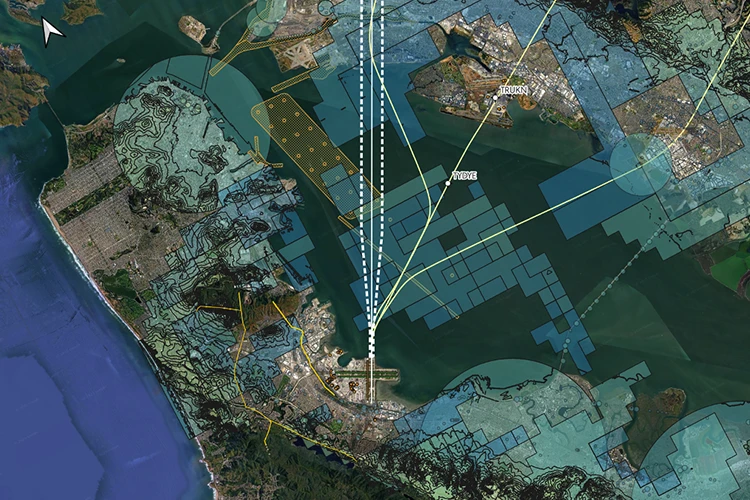
We play a pivotal role in the aviation ecosystem.
As a fiduciary in flight operations engineering, we do more than solve problems. We exist to advance aviation technology and serve stakeholders across our industry.
That promise is proven in our solutions.
We model thousands of combinations of real-world operations to balance safety, performance, and cost. Our proprietary modeling and regulatory insight reveal the true operational picture, so every runway, obstacle, and airspace decision is backed by performance data you can trust and defend.
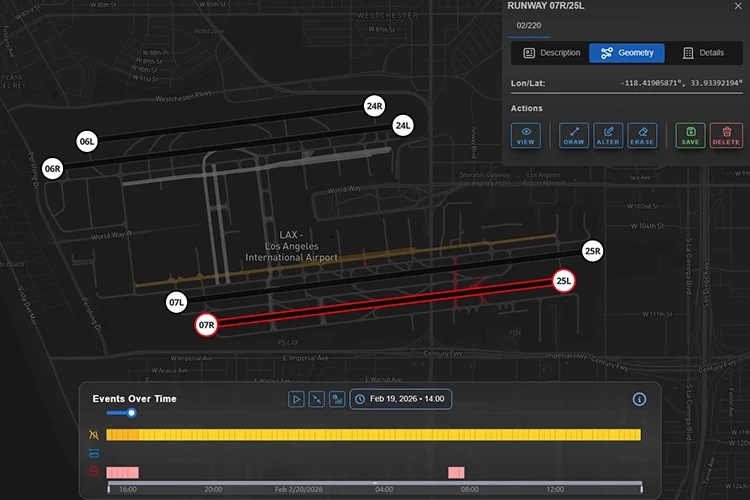
Recent Solutions Provided
Runway length determination for a new international green field airport
Balanced and unbalanced field length optimization at a major US hub
One engine inoperative obstacle impact assessment for proposed developments
We Know the Aviation Industry from the Ground Up
Experienced in Today’s Operational Environment
Internationally experienced flight operations engineers
Contributions to FAA, IATA, and global aviation rulemaking
Proven expertise across U.S. and international airports
Unparalleled modeling accuracy using certified performance data
Experts in Safety Management Systems (SMS) and Safety Risk Management (SRM) for airspace, airside, and flight operations
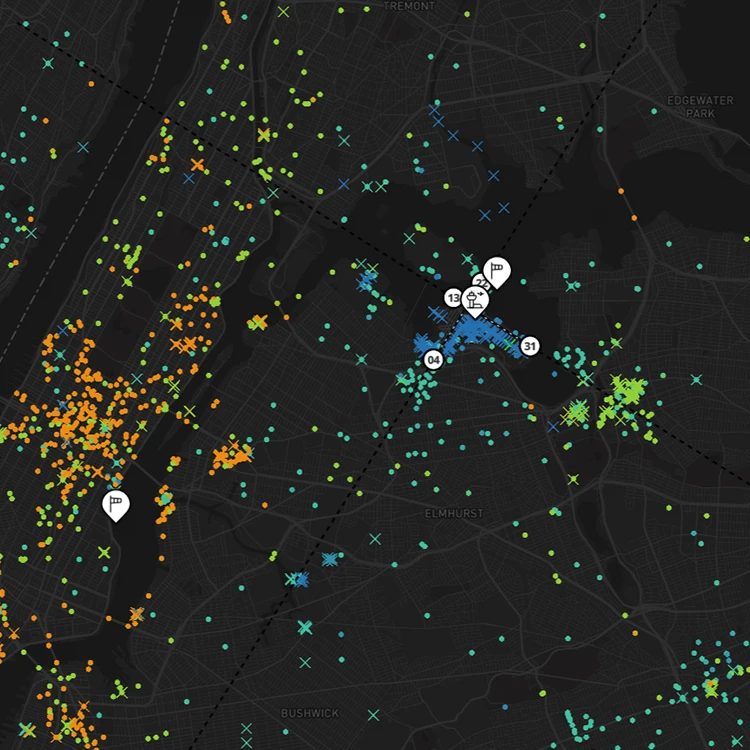
Engaged in Policy Development
U.S. Participation:
FAA AC 150-5325-4C Runway Length Requirements for Airport Design
AC 120-27, AC 120-91, and 150-5300-13B Input
Instrument Procedure Group and Aeronautical Charting Meeting
FAA AC 120-27 Aircraft Weight and Balance Control
FAA AC 120-91 Airport Obstacle Analysis
AC 150-5300-13B Airport Design
International & Standards Work:
IATA SCAP, APTF, and DADE initiatives
ICAO » NAVCANADA/ Transport Canada
Active contributor to the Performance Information Exchange Model (PIXM)
Leadership

Emily Trout

Paul Hannah

Tyler Hawkins